
"coffee ecosystem"
1100 article(s) found

Introduction to the manor in the flavor and taste area of Ethiopian boutique coffee beans
Ethiopian coffee beans grow in close to the natural environment, after years of planting under the same growth conditions, Ethiopian coffee beans have gradually adapted to the environment here. More than 60% of coffee beans are grown in forests or semi-forests. Large-scale coffee-growing villages account for about 35% of the country's total coffee production. Many of these are used.

Flavor characteristics of Guatemalan coffee beans the planting environment of Guatemalan coffee
In Guatemala, migratory birds are found in different ecosystems on coffee farms. Legume trees are like cuje. Gushi N, and chalum (INGA), used in Guatemala as the main shade tree type, are not only beneficial to coffee plants, but also to migratory birds foraging birds, attracting nectar from flowers or flowers from insects. Other species of trees, epiphytic plants of the pineapple family

Introduction to the Flavor and Taste characteristics of Ethiopian Coffee Farm
Located in the most advantaged natural conditions, Ethiopia produces unique high-quality coffee every year. Ethiopia's coffee growing cycle brings the joy of harvest to the country every year. Beautiful white coffee flowers will bloom and bear fruit every year from March to April. Only the reddest and ripe fruits will be selected between September and December.

La Bella Manor of Guatemala introduces how to drink Guatemalan coffee?
Professional coffee knowledge exchange more coffee bean information please follow the coffee workshop (Wechat official account cafe_style) the Las Minas Mountains are located in eastern Guatemala, there are countless treasures belonging to Guatemala. In addition to the natural forest ecosystem and wildlife, it is rich in gold and jade veins, making the treasures of the Las Minas Mountains famous in Central America. To protect this mountain forest,

Ethiopian Coffee Manor Flavor Taste introduces Ethiopian boutique coffee beans
Sustainable coffee culture Ethiopian coffee beans grow in close to the natural environment, after years of planting under the same growth conditions, Ethiopian coffee beans have gradually adapted to the environment here. More than 60% of coffee beans are grown in forests or semi-forests. The villages that grow coffee in large areas account for about the total amount of coffee produced in the country.

Kenyan boutique manor coffee beans John Mark Manor Sunshine Marseilles Micro batch
Kenya boutique Manor Coffee beans Origin: Kenya Manor name: Kenya John Mark Manor Sunshine Marseilles Micro-batch treatment: sun beans: 100% Arabica SL28SL34 Flavor: caramel Luoshenhua wine brewed pineapple tropical fruit juice sweet finish mellow rich baking: shallow roasting altitude: 18

Ethiopian Coffee Manor Flavor description Taste characteristics introduction of varieties in Grinding area
Large-scale coffee-growing villages account for about 35% of the country's total coffee production. These coffee farms, which use a multi-tier coffee planting system, are carefully cared for. Coffee farmers do not use chemical fertilizers, but use fallen leaves and animal and plant debris to increase soil nutrition. In addition to coffee, farmers also frequently grow non-coffee crops. It even accounts for the total amount of coffee in the country.
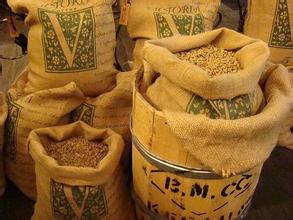
Djimmah, an Ethiopian coffee producing area, follows the ancient method to take the sun treatment class.
The coffee-producing region of Ethiopia is divided into east and west parts by the East African Rift Valley, with lakes, volcanoes, lowlands, plateaus and woodlands interlaced, each evolving. Ethiopia has the most diverse coffee ecosystem in the world (forest coffee, semi-forest coffee, pastoral coffee and plantation coffee), which also preserves its rich Arabica genes. The eastern half is mostly plateaus, coffee beans.

How to drink Guatemalan coffee at Florida Manor, Guatemala?
Professional coffee knowledge exchange more information about coffee beans Please follow the Coffee Workshop (Wechat official account cafe_style) the Las Minas Mountains are located in eastern Guatemala and contain countless treasures belonging to Guatemala. In addition to the natural forest ecosystem and wildlife, it is rich in gold deposits and jade veins, making the treasures of the Las Minas Mountains famous throughout Central America.
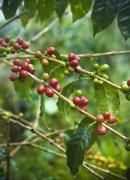
Sidamo Fruit Fruit Coffee with Light to moderate Baking and washing Nuts
The coffee-producing region of Ethiopia is divided into east and west parts by the East African Rift Valley, with lakes, volcanoes, lowlands, plateaus and woodlands interlaced, each evolving. Ethiopia has the most diverse coffee ecosystem in the world (forest coffee, semi-forest coffee, pastoral coffee and plantation coffee), which also preserves its rich Arabica genes. The eastern half is mostly plateaus, coffee beans.

Flavor and taste characteristics of Ethiopian coffee manor introduce Ethiopian coffee varieties
Ethiopian coffee beans grow in close to the natural environment, after years of planting under the same growth conditions, Ethiopian coffee beans have gradually adapted to the environment here. More than 60% of coffee beans are grown in forests or semi-forests. Large-scale coffee-growing villages account for about 35% of the country's total coffee production. Many of these are used.

Introduction to the Fine Coffee Bean Flavor and Taste Manor in Ethiopia
Ethiopian coffee beans grow in close to the natural environment, after years of planting under the same growth conditions, Ethiopian coffee beans have gradually adapted to the environment here. More than 60% of coffee beans are grown in forests or semi-forests. Large-scale coffee-growing villages account for about 35% of the country's total coffee production. Many of these are used.

What are the benefits of green coffee?
1: UTZ Certification UTZ is an independent certification body that certifies coffee with traceability. UTZ means good in Quiche (a Mayan language), so UTZ-certified coffee is good coffee. UTZ member companies at each link in the coffee supply chain can view each batch of UTZ certified coffee beans as they move through the supply chain: from the estate to everywhere.
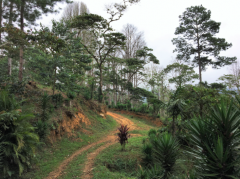
2016 Guatemala COE fifth Florida Manor La Florida farm Coffee planting
The exchange of professional baristas please follow the coffee workshop (Wechat official account cafe_style) Florida Manor introduces that the Las Minas Mountains are located in the eastern part of Guatemala and contain countless treasures belonging to Guatemala. In addition to the natural forest ecosystem and wildlife, it is rich in gold deposits and jade veins, making the treasures of the Las Minas Mountains famous throughout Central America. For

Ethiopian Coffee Manor Culture introduces Flavor
Coffee Culture Coffee beans in Ethiopia grow in close to the natural environment. After years of planting under the same growth conditions, Ethiopian coffee beans have gradually adapted to the environment here. More than 60% of coffee beans are grown in forests or semi-forests. Large-scale coffee-growing villages account for about 35% of the country's total coffee production.

Introduction to the growing environment of Ethiopian coffee introduction to Yega Snow Coffee Manor
Ethiopian coffee beans grow in close to the natural environment, after years of planting under the same growth conditions, Ethiopian coffee beans have gradually adapted to the environment here. More than 60% of coffee beans are grown in forests or semi-forests. Large-scale coffee-growing villages account for about 35% of the country's total coffee production. Many of these are used.

Introduction to the characteristics of coffee flavor description and grinding degree in Shaqiso producing area of Ethiopia
Ethiopia has unique natural conditions suitable for growing all imaginable varieties of coffee. As a highland crop, Ethiopian coffee beans are mainly grown in areas between 1, 100 and 2300 meters above sea level, roughly distributed in southern Ethiopia. Deep soil, well drained soil, weakly acidic soil, laterite and soil are soft and contain
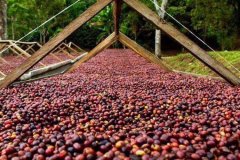
Introduction of Vera Shaki Coffee from Biya Manor
According to the manor, the Las Minas Mountains are located in the east of Guatemala and contain countless treasures belonging to Guatemala. In addition to the natural forest ecosystem and wildlife, it is rich in gold and jade veins, making the treasures of the Las Minas Mountains famous throughout Central America. In order to protect this mountain forest, today, the Las Minas Mountains have been planned as Guatemala National Park.

Ethiopian coffee bean flavor taste the manor area introduces fine coffee beans Ethiopian coffee
Sustainable coffee culture Ethiopian coffee beans grow in close to the natural environment, after years of planting under the same growth conditions, Ethiopian coffee beans have gradually adapted to the environment here. More than 60% of coffee beans are grown in forests or semi-forests. The villages that grow coffee in large areas account for about the total amount of coffee produced in the country.

Introduction to the taste of coffee beans by describing the characteristics and flavor of coffee beans in Ethiopia
Ethiopian coffee bean flavor description introduces that Ethiopian coffee should be the only pollution-free green organic coffee in the world. Today, Ethiopia still uses traditional planting methods to artificially care for coffee trees, and fertilizers are mainly fallen leaves, withered grass and animal manure, replacing harmful pesticides and herbicides used on a large scale in other coffee-producing countries in the southwestern highlands of Ethiopia. Kafa